Check Out Our Special Procurement Page - Want an Item That is Currently Not Listed Here. We Got You!!!

The Petri Dish: Origins, Development, and Its Impact on Modern Life

Introduction to the Petri Dish
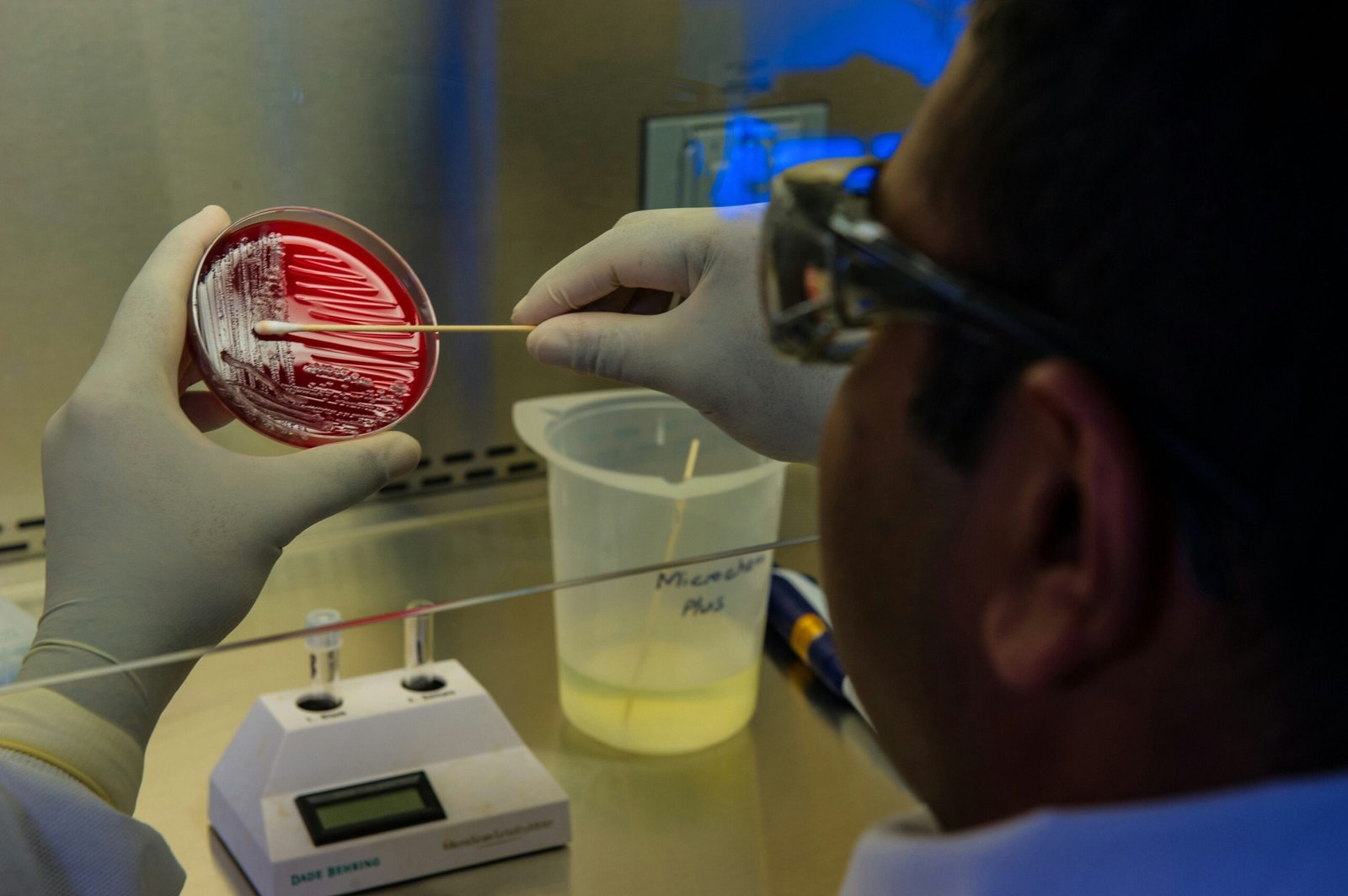
The petri dish, an indispensable tool in the scientific community, is a shallow, cylindrical, lidded container primarily used in laboratories for culturing microorganisms. Typically crafted from glass or clear plastic, its transparency allows for easy observation and analysis of microbial growth. This fundamental piece of laboratory equipment has become synonymous with microbiological research, providing a controlled environment essential for the study of bacteria, fungi, and other small organisms.
The design of the petri dish is deceptively simple yet exceptionally functional. Its shallow depth and broad surface area facilitate the even distribution of nutrient media, which supports the growth and sustenance of microorganisms. The inclusion of a lid helps maintain sterility by protecting the culture from external contaminants while still allowing gas exchange, crucial for aerobic organisms. This straightforward design has remained largely unchanged since its inception due to its effectiveness and versatility.
In experimental research, the petri dish plays a critical role. It allows scientists to isolate specific strains of microorganisms, observe their growth patterns, and conduct various tests under controlled conditions. This capability is vital for advancing our understanding of microbial behavior, developing new antibiotics, and conducting genetic research. The petri dish has also found applications beyond microbiology, including cell culture, plant tissue culture, and even in the study of small animal behavior.
Overall, the petri dish’s significance in laboratory settings cannot be overstated. Its ability to provide a contained, sterile environment for microorganism growth has made it a cornerstone of experimental research. The petri dish continues to be an essential tool for scientists, aiding in the discovery and development of new medical treatments, and contributing to our broader understanding of biological processes.
Historical Origins of the Petri Dish
The petri dish, a fundamental tool in microbiology, owes its inception to the innovative mind of German bacteriologist Julius Richard Petri. In 1887, while working under the esteemed Robert Koch, Petri sought to refine the methodologies for cultivating and observing bacterial cultures. Before his invention, scientists faced significant challenges in isolating and studying microorganisms due to inadequate containment and contamination issues.
Petri’s design introduced a shallow, cylindrical glass dish with a fitted lid, revolutionizing the way bacteria could be cultured. This simple yet effective design provided a controlled environment that minimized contamination, enabling more accurate and reproducible results. The petri dish quickly became an indispensable instrument in the laboratory, facilitating the isolation and examination of individual bacterial colonies.
The introduction of the petri dish marked a pivotal moment in the realm of microbiology, leading to numerous scientific breakthroughs. In the late 19th and early 20th centuries, it played a crucial role in the discovery and study of various pathogenic bacteria, significantly advancing the field of medical microbiology. Researchers were able to identify causative agents of diseases such as tuberculosis, cholera, and diphtheria, leading to the development of treatments and preventive measures that have saved countless lives.
Moreover, the petri dish enabled the study of bacterial growth patterns, antibiotic resistance, and the effects of different environmental conditions on microbial life. These insights laid the groundwork for modern microbiological techniques and applications, from the development of antibiotics to the production of vaccines and the advancements in genetic engineering. The impact of the petri dish on scientific research is profound, reflecting its enduring significance in the ongoing exploration of the microbial world.
Evolution and Innovations in Petri Dish Usage
The evolution of the petri dish has been instrumental in the advancement of microbiology and various scientific fields. Initially crafted from glass, early petri dishes presented challenges related to fragility and sterilization. Over time, the transition to plastic petri dishes marked a significant milestone in laboratory efficiency. Plastic, being both durable and disposable, allowed for single-use applications, thereby reducing the risk of contamination and simplifying the sterilization process.
Advancements in materials were paralleled by innovations in the design and functionality of petri dishes. One of the most notable breakthroughs was the introduction of agar as a growth medium. Agar, derived from seaweed, revolutionized microbiology by providing a stable and nutrient-rich environment for the cultivation of microorganisms. This innovation enabled scientists to achieve more precise and varied cultivation, facilitating the study of microbial colonies in unprecedented detail.
Specialized petri dishes have also emerged to meet the needs of diverse scientific disciplines. For instance, some petri dishes are designed with compartments to allow for the growth of multiple cultures simultaneously, while others are coated with specific substances to enhance the growth of particular organisms. These specialized dishes have expanded the scope of research and diagnostics, making it possible to explore complex biological interactions and conduct high-throughput screening.
The impact of these innovations is underscored by numerous groundbreaking scientific discoveries. The petri dish was crucial in the discovery of antibiotics like penicillin by Alexander Fleming. This discovery not only transformed medical practice by introducing effective treatments for bacterial infections but also highlighted the potential of the petri dish as a tool for medical research and pharmaceutical development.
In summary, the evolution and innovations in petri dish usage have profoundly influenced scientific research and the development of modern life-saving technologies. From material advancements to the introduction of agar and specialized dishes, these innovations have expanded the capabilities of scientists to explore, understand, and manipulate the microbial world, leading to significant scientific and medical breakthroughs.
Impact of the Petri Dish on Modern Life
The Petri dish, a seemingly simple laboratory tool, has had a profound impact on modern life through its diverse applications in multiple scientific fields. In medical research, the Petri dish has been an indispensable asset. It has played a crucial role in the development of vaccines, antibiotics, and other treatments. For instance, the discovery and mass production of antibiotics like penicillin would not have been possible without the ability to culture bacteria in Petri dishes. This has revolutionized healthcare by providing effective treatments for previously incurable diseases.
Beyond medical research, the Petri dish is instrumental in environmental science. It is utilized for studying soil, water, and air samples, thereby helping scientists to monitor and understand environmental conditions. By analyzing microbial life in these samples, researchers can assess pollution levels, track environmental changes, and develop strategies for sustainable management of natural resources. The ability to culture and examine microorganisms in controlled settings has provided invaluable insights into ecosystem health and biodiversity.
In the industrial sector, the Petri dish is essential for quality control and food safety. Industries rely on microbial testing to ensure products are free from harmful pathogens. This is particularly important in the food industry where contamination can have severe public health implications. Regular testing using Petri dishes helps in maintaining stringent quality standards and ensures consumer safety. Additionally, pharmaceutical and cosmetic industries use Petri dishes to test the sterility and efficacy of their products, thereby safeguarding public health.
The broader implications of Petri dish research cannot be overstated. The continuous advancements made possible through this tool have significantly expanded scientific knowledge and improved public health outcomes. From pioneering medical treatments to ensuring environmental sustainability and industrial safety, the Petri dish remains a cornerstone of scientific progress. Its ongoing utility underscores the importance of basic scientific tools in driving innovation and enhancing the quality of life globally.